
Join the Joey'z Family!

Think of a cornice board as the tailored frame that dresses up your window. It’s an upholstered, decorative panel you mount above the window to conceal curtain rods and give everything a neat, finished touch. The short answer is: it’s your window’s style and insulation superhero.
Cornice boards:
Explore historical and market insights in the cornices market report.
Cornice boards borrow their DNA from ancient Greek and Roman architecture, where bold mouldings wrapped around eaves and interiors. In the 18th and 19th centuries, homeowners began adapting these layered projections to crown their windows.
Today’s cornice board:
For styling harmony, see our valance styles for windows.
| Dimension | Cost Range | Usage |
|---|---|---|
| 4–12 inches projection | $25–$75 ready-made | Standard windows |
| 6–18 inches height/projection | $150–$600 custom | Statement windows |
Victorian and Georgian homes originally featured wooden or plaster cornices projecting 4–12 inches (10–30 cm). Modern versions span 6–18 inches in height and projection, with ready-made pieces priced around $25–$75 and bespoke designs at $150–$600. You can dive deeper into these shifts in the cornices market report.
A cornice board can transform your window treatment by adding both style and function.
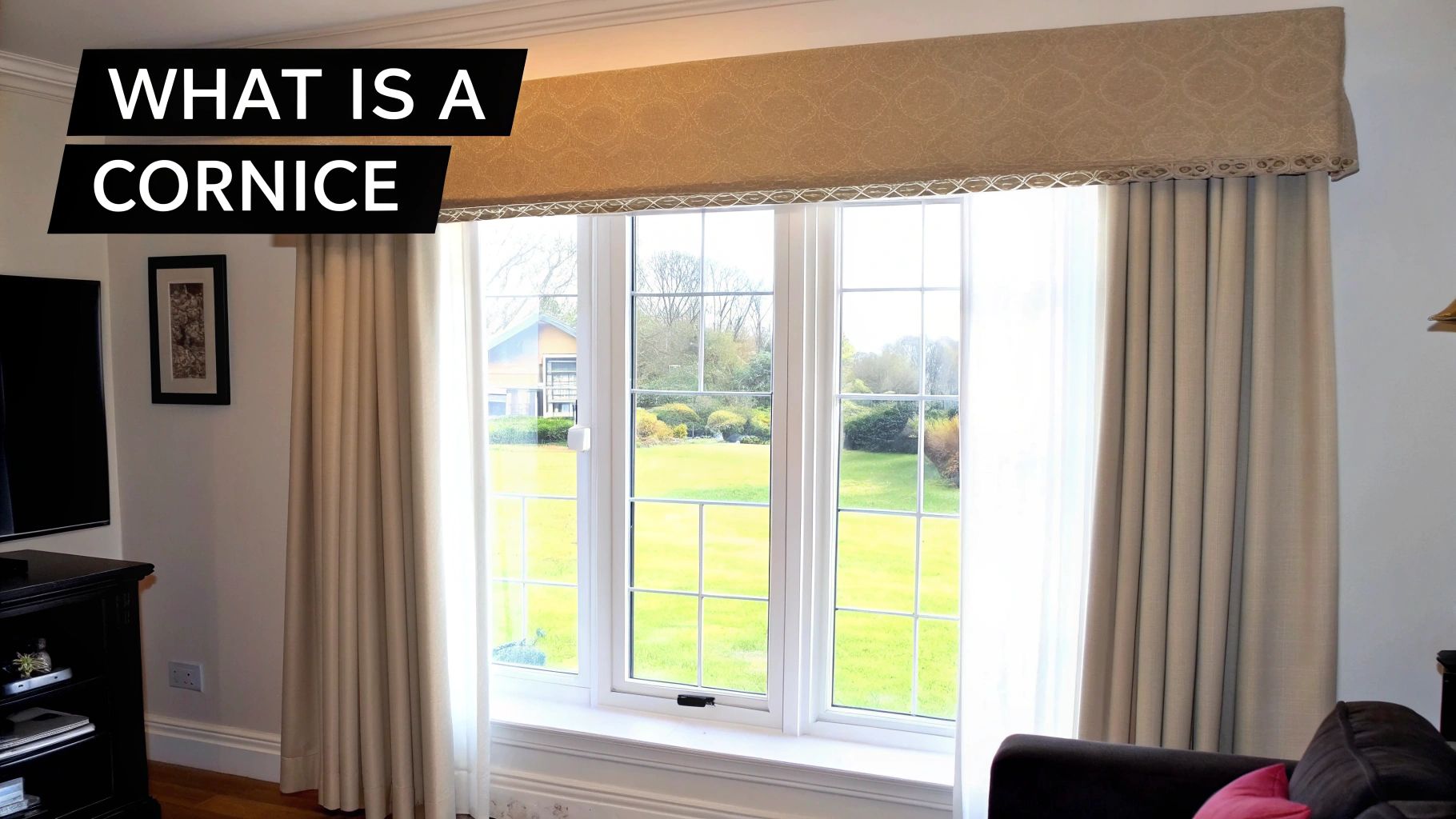
This view captures the depth and ornamental profiles that sparked modern cornice board designs.
The short answer is: they’re more than decorative. A cornice board acts like a helmet for your window—stylish, insulating, and clutter-free.
By wrapping around curtain rods, you tame glare and keep things neat. Unexpected perks include:
Bulletproof Benefits
Explore matching hardware at Joey’z Valances Collection.
Wrapped in the right materials, cornice boards keep rooms toastier in winter and cooler in summer—no thermostat gymnastics required.
Steps to maximize benefits:
“A well-sealed window header cut my drafts by more than half,” says DIY enthusiast Maria H.
Think of a cornice board as a picture frame for your window. Pair bold prints with neutral drapes, or go full monochrome for minimalist flair. Joey'z offers eco-friendly fabric wraps in soothing neutrals at Sustainable Window Treatments.
Mix textures—linen, velvet, even a sliver of wood trim—to refresh any theme. Discover styling tips and accessories to complete your look.
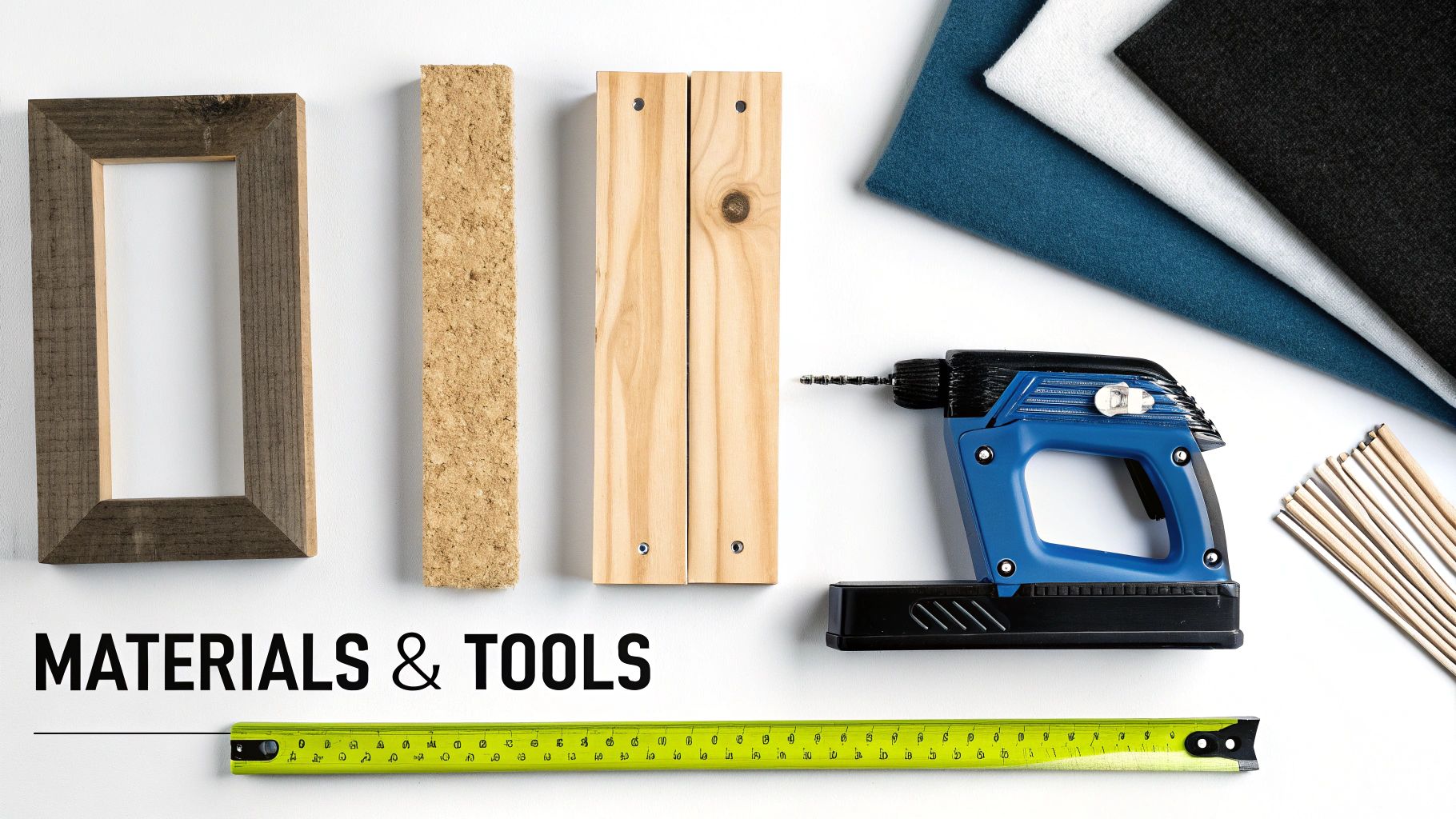
Selecting the right core sets your board’s lifespan. From sturdy hardwoods to budget-friendly MDF and ultra-light foam:
“A sturdy core is the backbone of a successful cornice board,” says interior expert Jane Turner.
| Material | Pros | Cons |
|---|---|---|
| Oak or Maple | Durable and paints well | Heavier and more costly |
| MDF | Affordable and smooth finish | Prone to moisture damage |
| Foam | Lightweight and insulating | Less rigid under heavy drapery |
Most DIYers finish in under 2 hours.
DIY Tool Checklist
For greener fabric options, explore Eco-Friendly Fabric Wraps on Joey'z Shopping.
Complex shapes or high-end fabrics? A pro ensures spot-on cuts and flawless upholstery.
Browse starter frames at Joey'z Valance Collection.
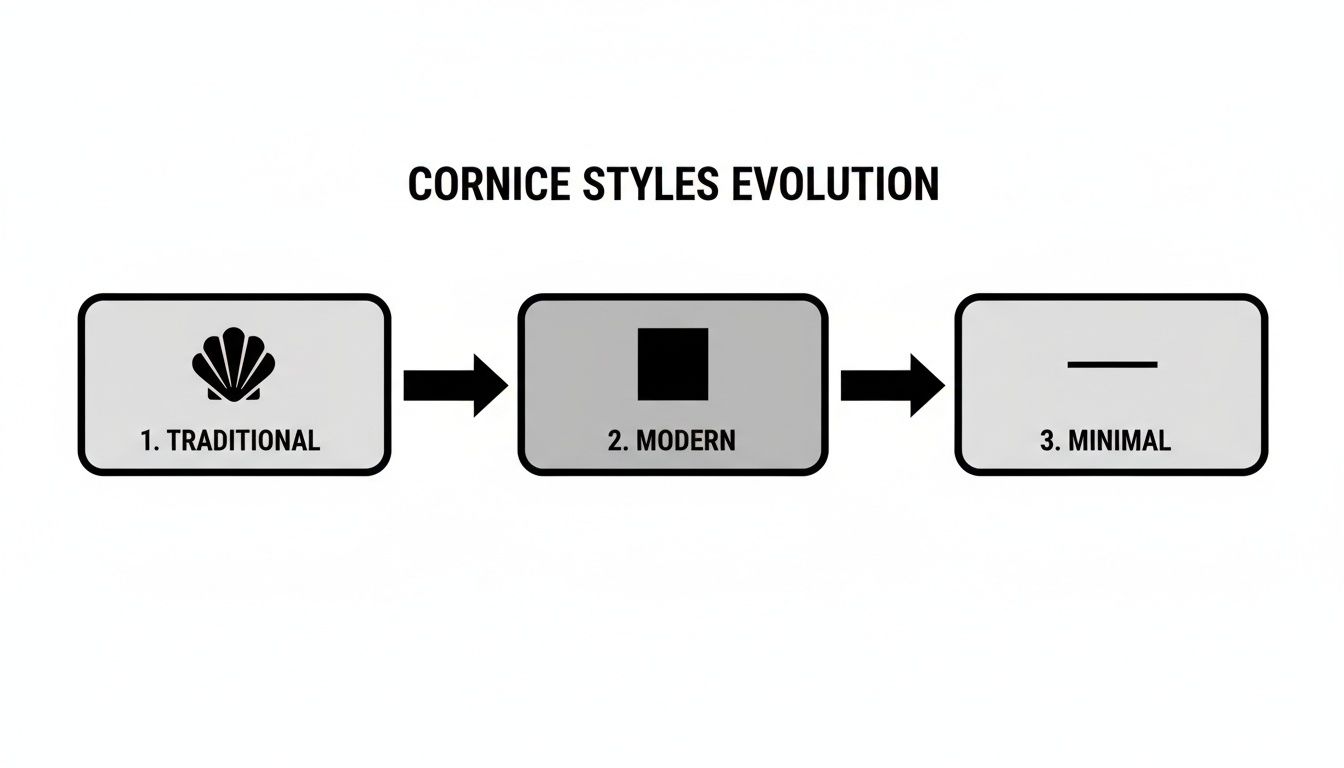
Choosing a cornice board is like picking the perfect frame for a photograph. Designs fall into three categories: scalloped, modern box, and sleek minimalist.
Suburban Cottage Refresh
Downtown Loft Update
“A simple fabric change on a cornice can boost room warmth by 25%,” notes designer Emma Clarke.
| Style | Description | Suitable Decor |
|---|---|---|
| Traditional Scalloped | Curved profile with trim details | Cottage, Victorian |
| Modern Box | Clean lines; painted or wrapped | Contemporary, Office |
| Sleek Minimalist | Unadorned board in simple fabric | Loft, Minimalist |
Visit our Valance Collection for coordinating trims and hardware. See more at Joey’z Sustainable Window Treatments.
Fitting your cornice board just right is like placing the perfect lid on a jar—snug and level for an instant upgrade.
Gather your tools:
Mark the top edge of your frame at left, center, and right. Draw a level line with your T-square. Measure between studs; add 1 inch each side for overlap.
“Precise measurements reduce installation time by 30%,” says pro Leah Jensen.
Common Pitfalls & Fixes
| Cornice Style | Popularity |
|---|---|
| Traditional Scallop | 60% of classic interiors |
| Minimal Box Design | 25% of modern living spaces |
Finally, caulk the top seam and paint for a polished look. For more on measuring, check how to measure curtains.
Ready-made cornice boards slide in under $75 and install fast. Custom boards (4–6 week lead time) run $150–$600+ for personalized fabrics and trims.
That question “what is a cornice board?” now feels like a practical décor roadmap.
Save nearly 40% by upcycling reclaimed wood or trims from salvage sales. Use organic linen wraps and recycled foam cores.
“Recycled foam cores saved me $50 without losing style,” says DIY expert Lena G.
Layer valances for depth. Learn how in how to style your home with a curtain valance set.
Swap velvet for cotton in summer; reverse in winter. Vacuum monthly with a soft-brush attachment. Spot-clean spills promptly.
Balancing budget, sustainability, and style makes your cornice board a lasting window hero.
The short answer is: cornice boards are structured frames hiding hardware and offering insulation. Valances are soft fabric toppers that add color and movement.
Regular dusting with a soft-brush attachment keeps it fresh. Spot-clean spills with mild soap and water, and inspect staples twice a year.
“Proper maintenance can extend its life by 5 years,” says decor expert Lisa Tan.
Yes. A hidden cleat conceals the blind’s headrail and leaves room for cleaning or quick adjustments.
Use foam-core blanks wrapped in thrifted fabric for under $20, or sturdy cardboard, batting, and a staple gun for a polished finish.
They seal gaps above windows, reducing heat loss by up to 10%. Adding a foam-core layer boosts thermal performance.
Looking for custom or ready-made cornice boards? Shop the latest at Joey'z Shopping